
- Details
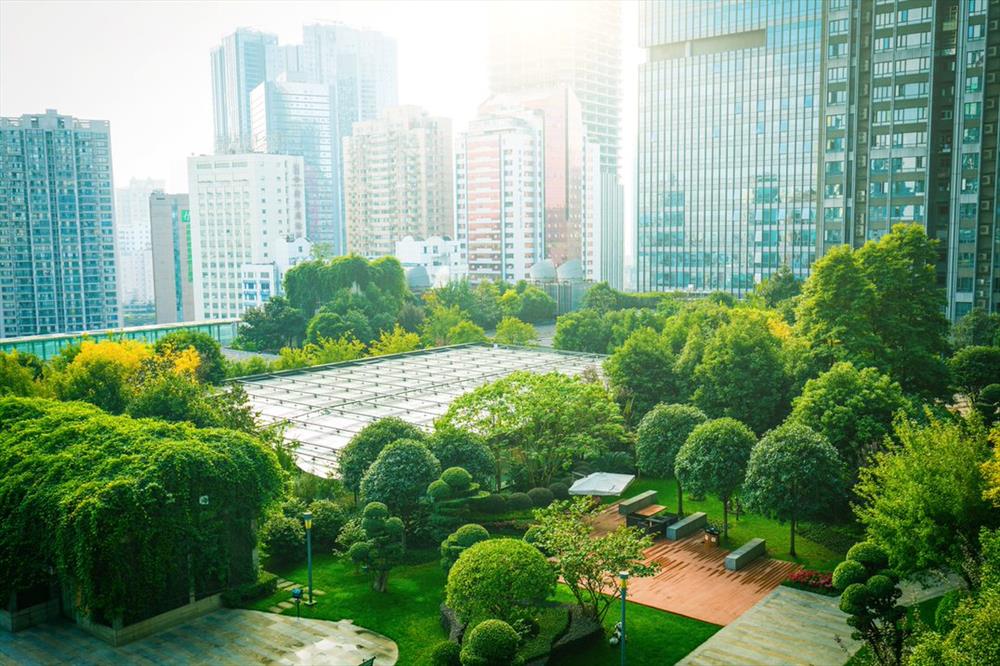
The “modern city” is a catalyst for development due to the level of human activity within its bounds. The city is interconnected with every other factor, including demography, technology, economy, environment, political changes, etc., and as such, is also affected by any fluctuation. This is a challenge to creating sustainable, safe, and liveable cities at present.
- Details
With the chaos resulting from Covid 19, many have questioned the effectiveness of the neoliberal economic model. A debate about the negative impacts of the open economic system has been on going in Sri Lanka ever since the introduction of free market reforms in 1977. Although successive governments have experimented with economic liberalization policies with varying degrees of openness, it is fair to say that we have neither experienced a fully open market economy nor have the opponents proposed a credible alternative, except suggestions on, what I would broadly categorize as, “efficiency increases.”
- Details
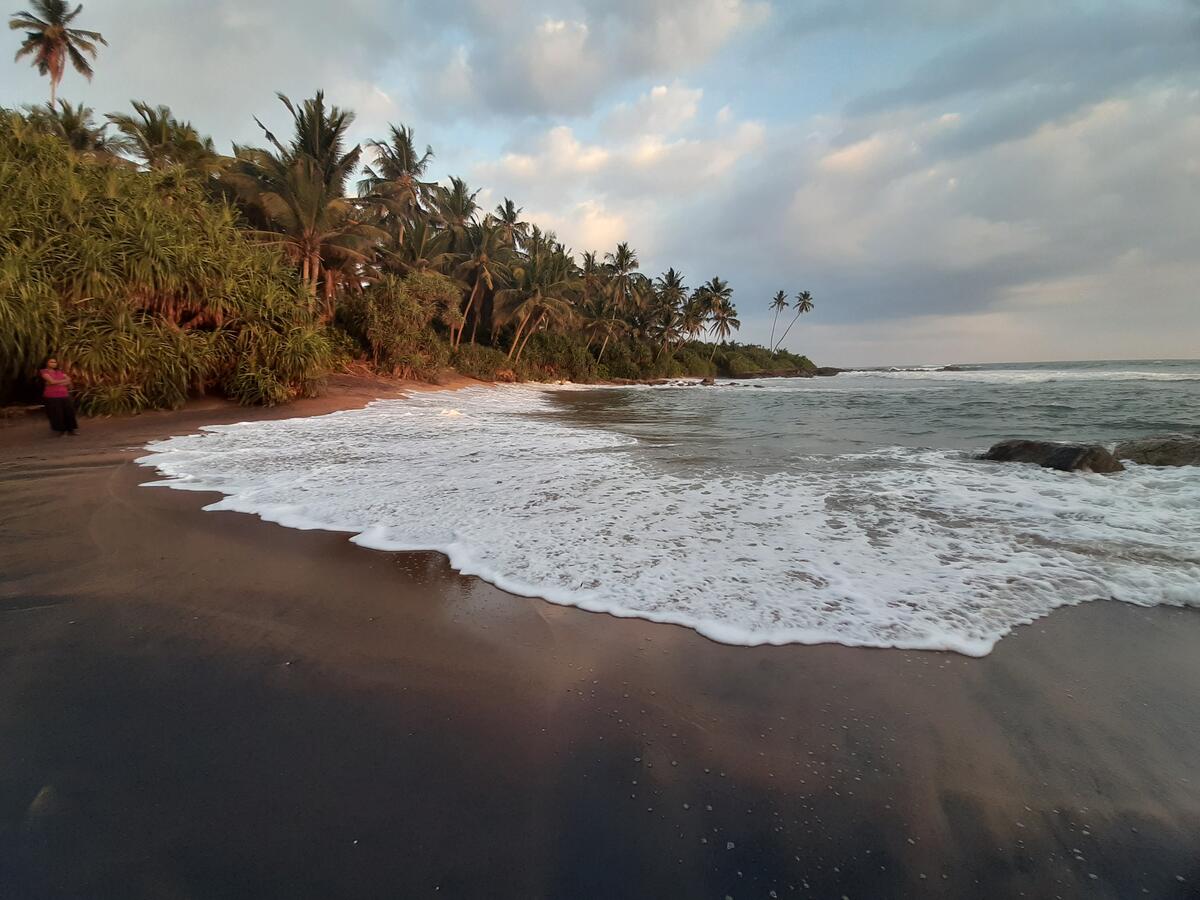
In the past, the Island of Sri Lanka was known in many names. The oldest was Sihala Deshaya. This meant the land of Singhalese. The Arabs called the island Taprobane. During European times the island was known as Ceylon. Throughout history, she was world-famous as a major trading place. The port of Galle was the center of most of the trading that took place. Galle was the international harbor for centuries. This was changed at the beginning of the 20th century. The port was moved to Colombo by the British in 1911. Along with the port, most of the trading activity moved to Colombo. Sailing vessels were replaced with steam vessels. They wanted a deeper and larger port. Colombo port was the outcome. With the new port the trading activity also, increased.
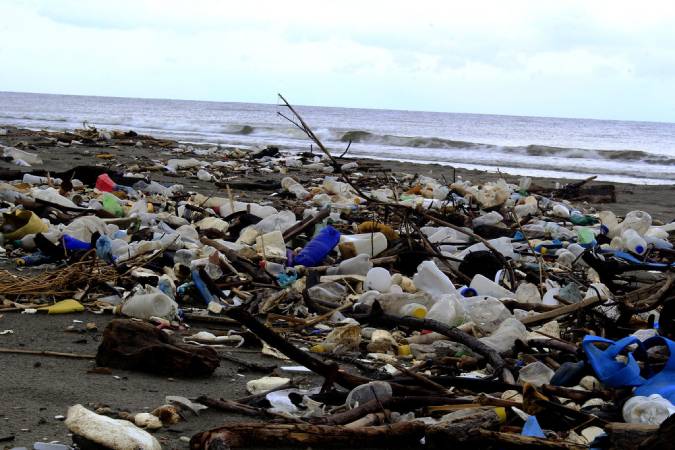
- Details
The Sustainable Development Goals (SDGs), or Global Goals, aim at paving the way to a prosperous world in economic, social, and environmental dimensions. There are 17 SDGs demarcated by the United Nations (UN) in 2015 to address the global challenges, and almost all countries of the world, including Sri Lanka, are progressing towards achieving these goals.

- Details
මේ දිනවල ශ්රී ලංකාවේ විශාල ආන්දෝලනයක් ඇති කර තිබෙන මාතෘකාවක් වන්නේ සහල් හිගයයි. සාමාන්ය ජන ජීවිතවලට තදින් බලපාන මෙම සහල් හිගය සහ සහල් මිල සරලව වටහා ගැනීමට නම් දත්ත කිහිපයකට අප අවධානය යොමු කළ යුතුය. පළමුව නිෂ්පාදනය දෙස බලමු.
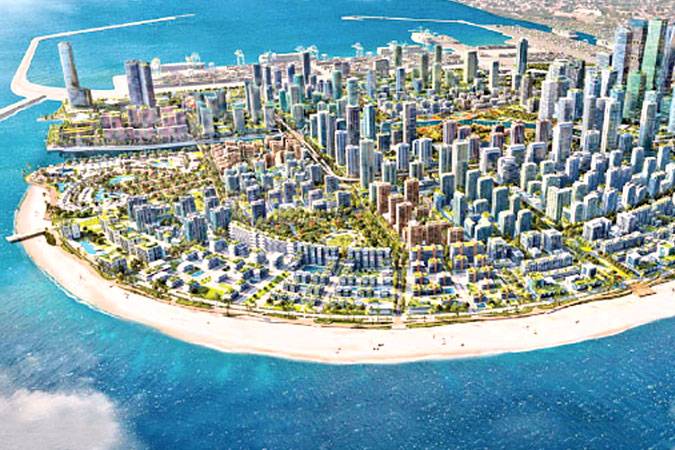
- Details
දෙවන ලෝක යුද්ධයේ අවසානයත් සමඟ ඇමෙරිකා එක්සත් ජනපදය ප්රමුඛ ඔවුන්ගේ මිත්රශීලී ජයග්රාහි රටවල් වන ප්රංශය, එංගලන්තය, රුසියාව හා එවකට චීනය ලෙස පිළිගත් තායිවානය යන රටවල් එක්ව එක්සත් ජාතින්ගේ සංවිධානය පිහිටුවා ගන්නා ලදි. පසුව ලොව බොහෝ රටවල් මෙහි සාමාජික රටවල් ලෙස ඊට එකතු වී ය.
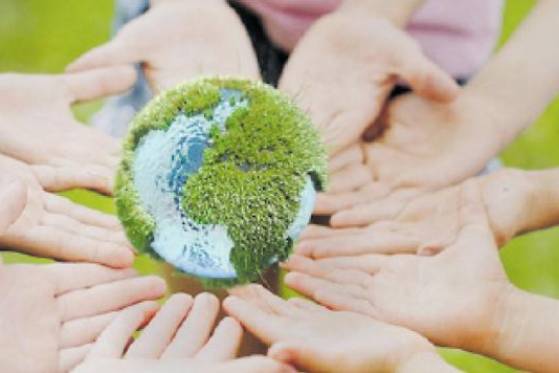
- Details
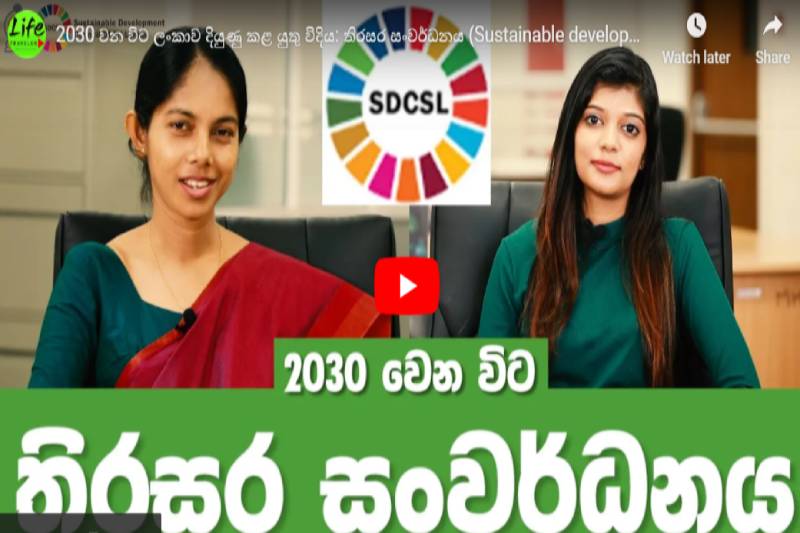
The 2030 Agenda for Sustainable Development, which includes 17 Sustainable Development Goals (SDGs), was adopted by the United Nations (UN) member states in 2015. This agenda provides a holistic approach to development, addressing the economic, social, and environmental challenges that the world faces today.
- Details
ශ්රී ලංකා රජය වාර්ෂිකව රසායනික පොහොර ආනයනයට පමණක් ඩොලර් මිලියන 261 වාර්ෂිකව වැය කරති. (CBSL 2018) බෝගවලට වැලඳෙන විවිධ රෝග පාලනය සඳහා පරිසර හිතකාමී සාම්ප්රදායික ක්රම භාවිත කිරීමටද සාම්ප්රදායික වී සහ එළවළු රාශියක් වගා කිරීමටද පුරුදු වූ ප්රෞඪ ඉතිහාසයක් ඇති හෙළ ගොවිතැනට සිදුවූයේ කුමක්ද? ශ්රී ලංකාවේ ගොවීන් සාම්ප්රදායික ප්රභේද සහ ශිල්පීය ක්රම අත්හැර රසායනික පොහොර, කෘත්රිම වල්නාශක, පළිබෝධනාශක සහ දෙමුහුන් බෝග යොදා ගැනීමට හේතු වූ දේශපාලන - ආර්ථික ක්රියාවලිය කුමක්ද? මෙම ක්රියාවලි මගින් අපේම මහ පොළොවට පුරුදු බීජ වගා කොට පරිසර හිතකාමී පොහොර යොදා බතක් එළවළුවක් සාදා ගත් ජාතියක මුහුණ දෙන ඉරණම පිළිබඳව ජ්යෙෂ්ඨ කථිකාචාර්ය ආචාර්ය වගීෂා ගුණසේකර පැහැදිලි කරයි.
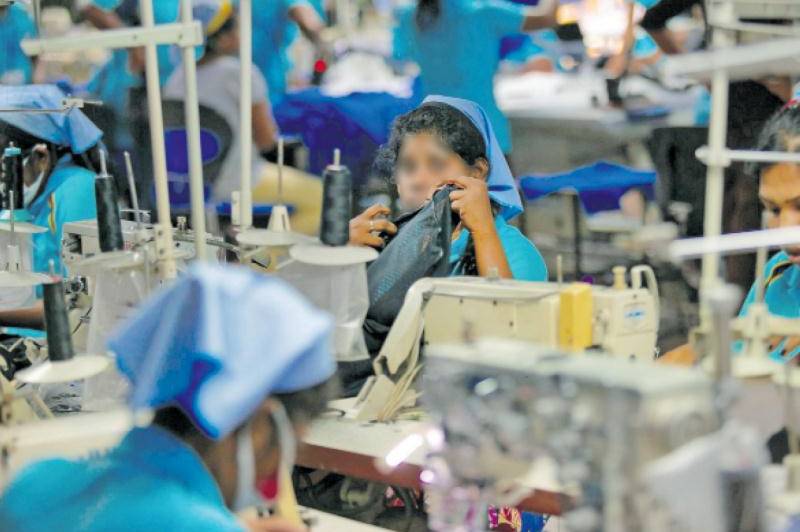
The political,socio-economic crisis that brought by pandemic and the path to take-Vagisha Gunasekara
- Details
- Details
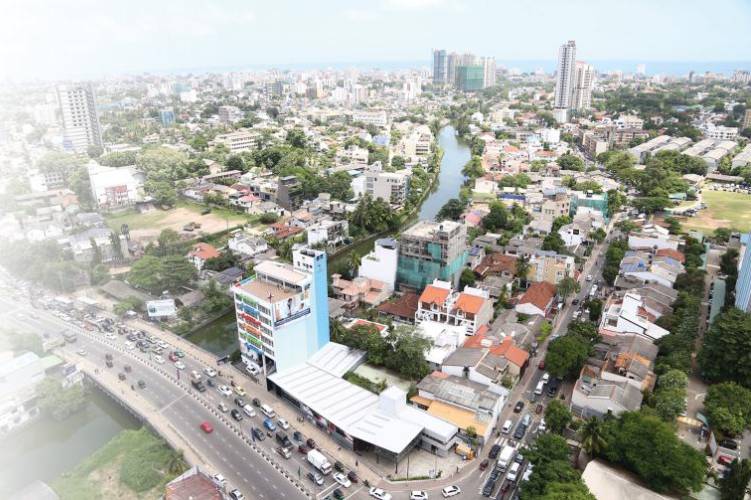
A few days back, a news report claiming the detection of a significantly high number of Covid-19 infected persons on a single day from Bandaranayakepura in Colombo triggered alarm bells across the Government and the people, leading to further closures and restrictions of movement.

- Details
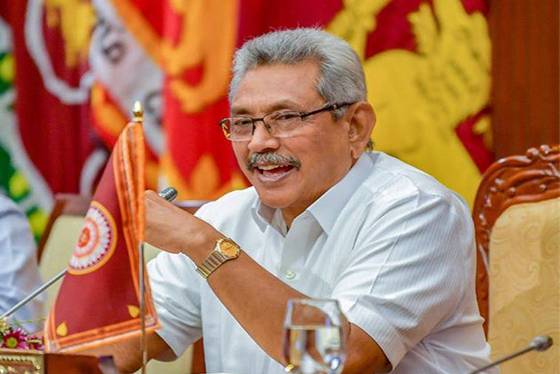
Sri Lanka stands at yet another juncture in history. A new President is in office and would be keen to leave his mark in the foreign policy arena, like numerous predecessors from historic times to those in the years of independence
Page 2 of 4